|
|
|
George E. Schatz |
|
Sylvie Andriambololonera |
|
Jeannie Randriampionona |
|
and Porter P. Lowry II |
|
|
|
Missouri Botanical Garden |
|
|
|
|
(i) A widely accessible working list of known
plant species, as a step towards a complete world flora; |
|
(ii) A preliminary assessment of the
conservation status of all known plant species, at national, regional and
international levels; |
|
(vii) 60 per cent of the world's threatened
species conserved in situ |
|
|
|
|
|
|
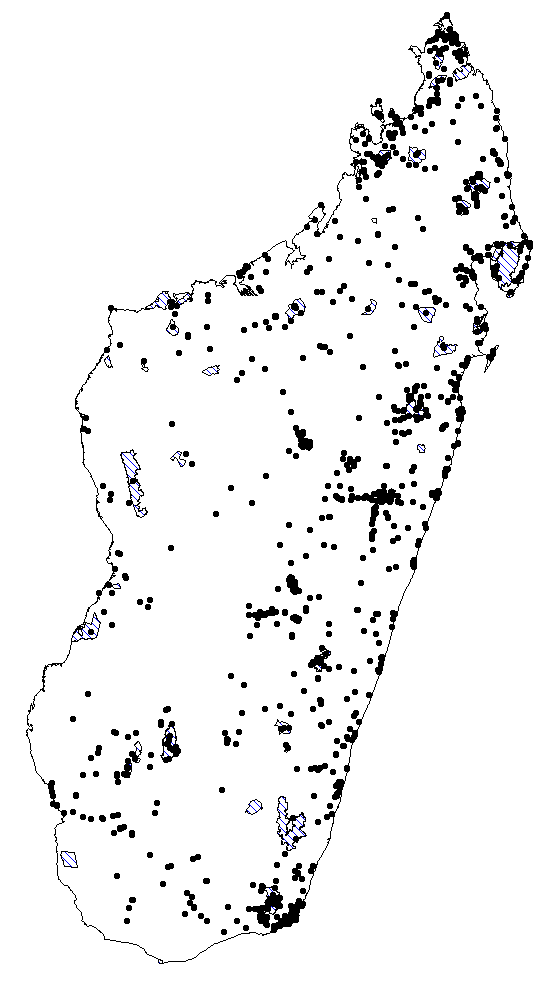
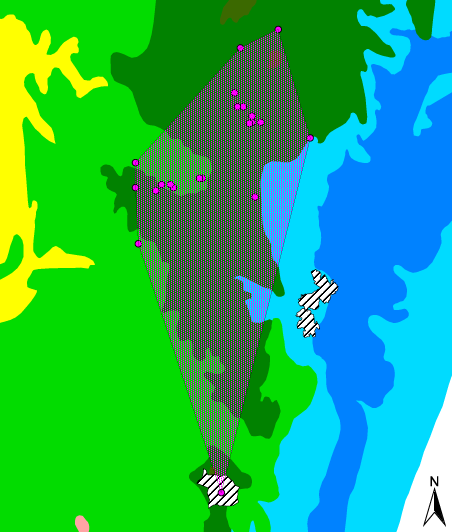
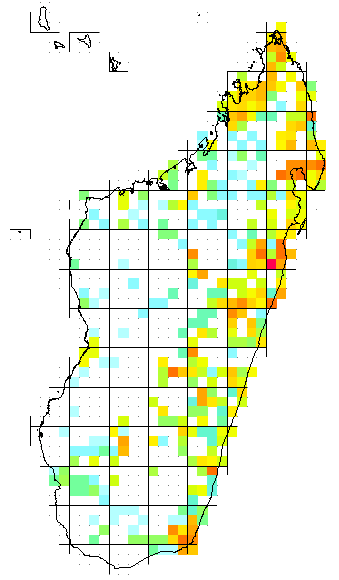
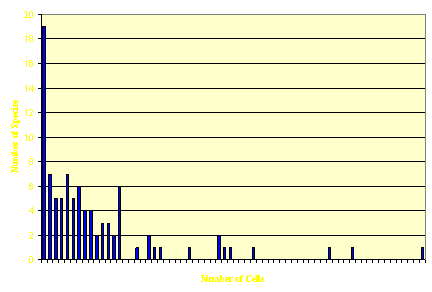
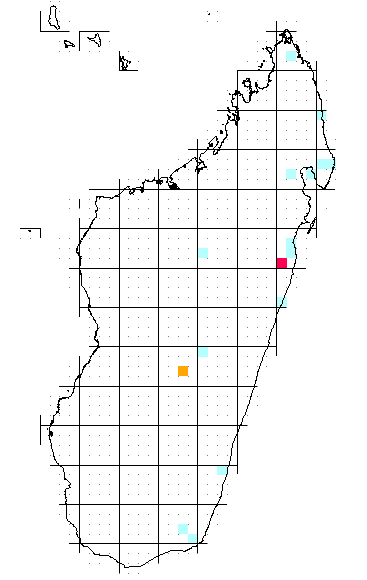
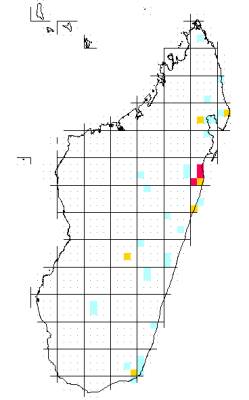
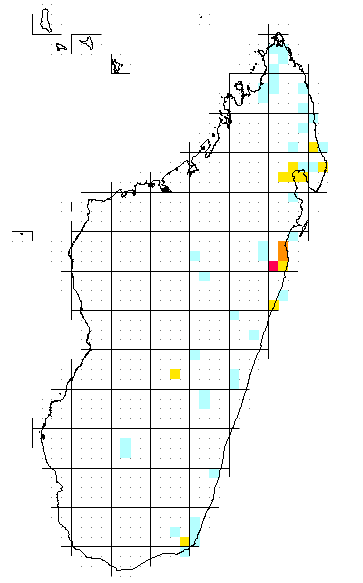
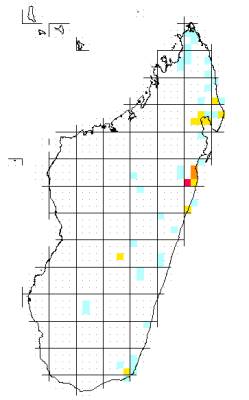
Type or single locality only (= single
“subpopulation” = single grid cell) or few collections/localities (e.g., 5
or fewer) |
|
Age of collection(s) |
|
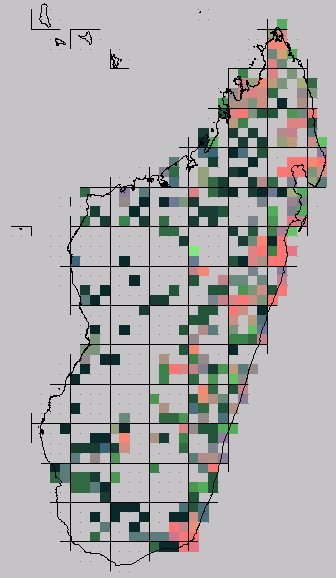
Caveats: Taxonomic and collection artifacts |
|
|
|
|
|
|
|
|
# Newly Newly
Placed Into |
|
Species
Recognized Described Synonymy |
|
Asteropeiaceae 8
3 2 - |
|
Didymelaceae 2 (-3) (1)
(1) - |
|
Kaliphoraceae 1 - - - |
|
Melanophyllaceae 6
1 1 4 |
|
Physenaceae 2
- - - |
|
Sarcolaenaceae ca. 65 27 (-2) 24 (-2)
- |
|
Sphaerosepalaceae 18
2 - - |
|
Total ca.103 36 (35%) 30 (29%) 4 |
|
|
|
|
# Newly Newly
Placed Into |
|
Species
Recognized Described Synonymy |
|
Asteropeiaceae 8
3 2 - |
|
Didymelaceae 2 (-3) (1)
(1) - |
|
Kaliphoraceae 1 - - - |
|
Melanophyllaceae 6
1 1 4 |
|
Physenaceae 2
- - - |
|
Sarcolaenaceae ca. 65 27 (-2) 24 (-2)
- |
|
Sphaerosepalaceae 18
2 - - |
|
Total ca.103 36 (35%) 30 (29%) 4 |
|
|
|
|
Keraudren (1958) Schatz et al. (1998) |
|
M.
alnifolia M. alnifolia |
|
M.
aucubifolia M.
capuronii |
|
M.
capuronii M. aucubifolia |
|
M.
crenata M. humbertiana |
|
M.
humbertiana M.
humblotii |
|
M.
humblotii M. crenata |
|
M.
longipetala M.
longipetala |
|
M.
madagascariensis M.
madagascariensis |
|
M.
perrieri M. modestei sp.
nov. |
|
M. perrieri |
|
|
|
|
|
|
|
|
|
|
|
|
|
|
|
|
|
|
|
|
|
|
|
|
|
|
|
|
|
|
|
|
|
|
|
|
|
|
|
|
|
|
|
|
|
|
|
|
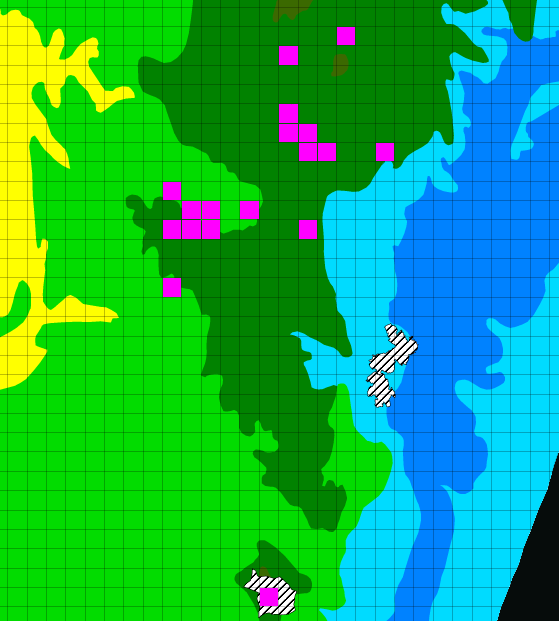
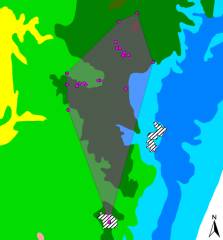
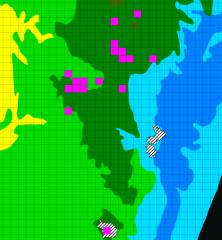
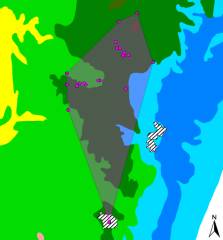
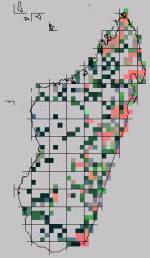
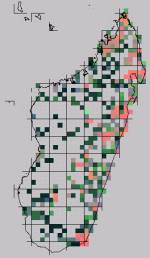
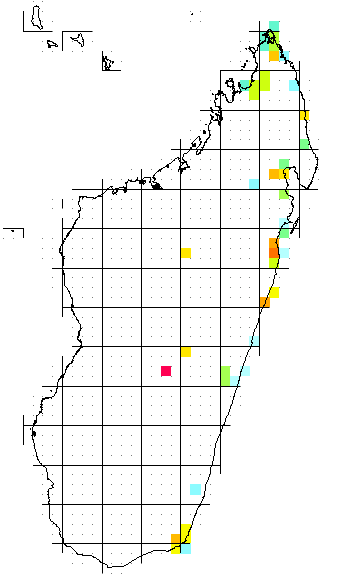
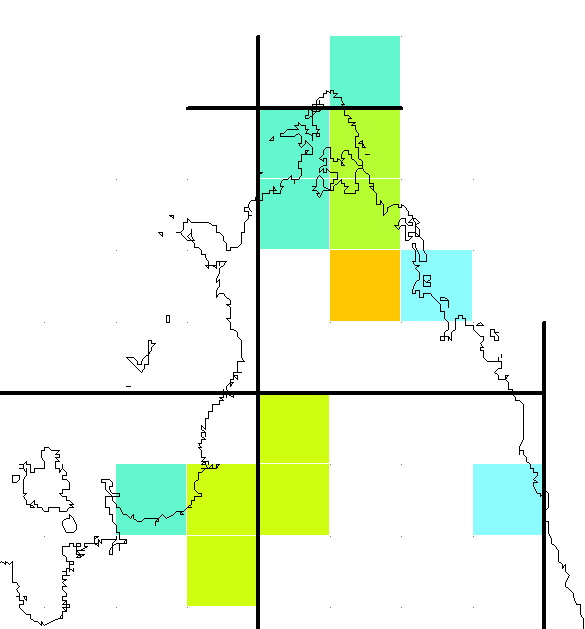
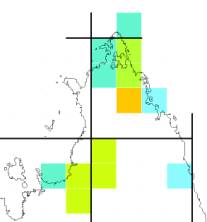
100% Representation (+ Multiple Representation?) |
|
Irreplaceability |
|
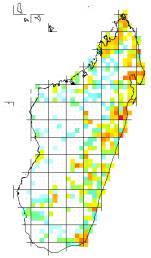
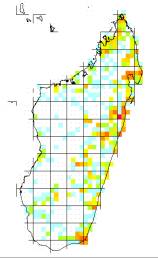
Complementarity by range size rarity and
richness |
|
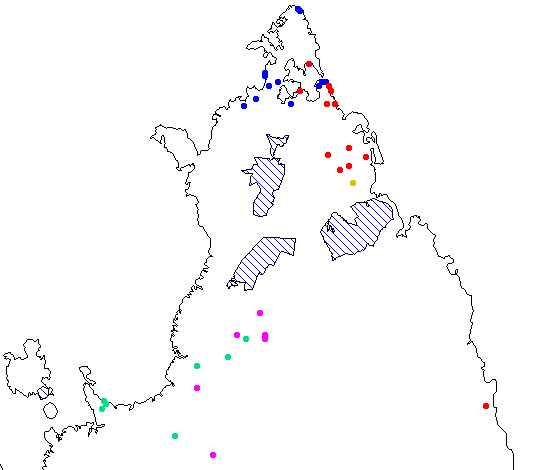
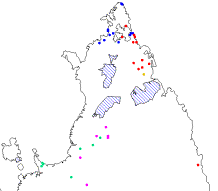
Existing Protected Areas network |
|
|
|
|
|
|
|
|
|
|
|
|
|
|
|
|
|
|
|
|
Identify the “rarest” species residing the
world’s 3,000 herbaria |
|
Reevaluate their existing taxonomic framework |
|
Geo-reference and map them |
|
Rediscover those that are “lost” |
|
Identify irreplaceable areas and area-sets to
achieve maximum in situ conservation |
|

 Notes
Notes